Thumbs Down to Hate Comments
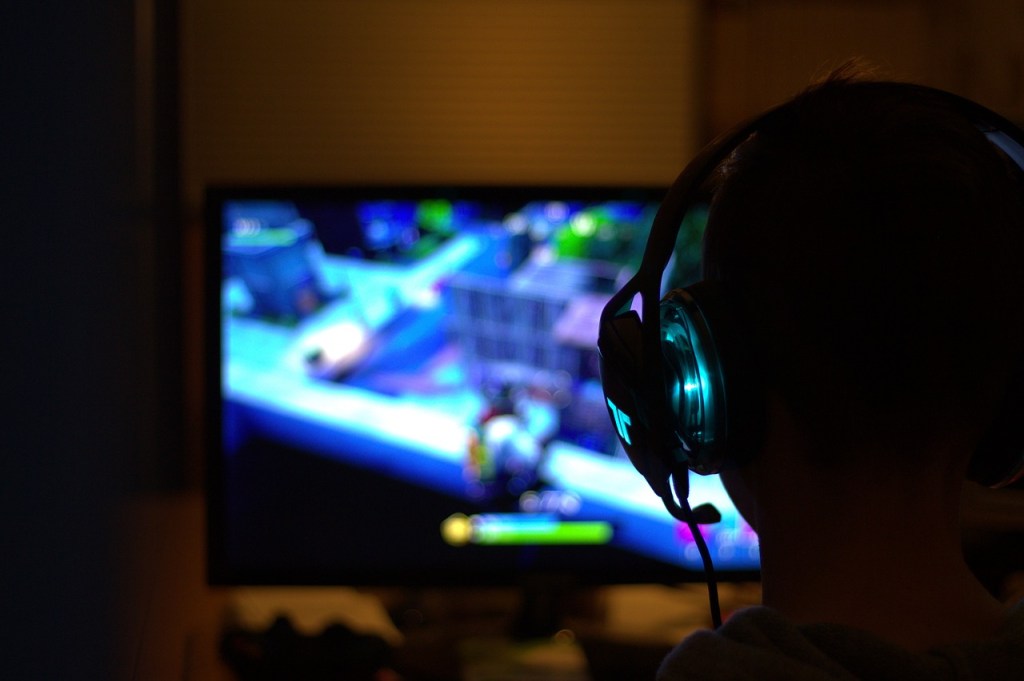
Whether it’s through a video game, or just generally online, many of us gamers cannot deny that hate comments are a recurring situation, yet why?
Have I been harassed online?
Yes.
Do I know why?
Yes. Cause I was a female.
Nothing new there, but still hate comments are hate. People, who wish to play a game, are either ridiculed for being a newbie to the spectrum, a bad player or someone who can be defined as “different.”
Thing is, we aren’t exactly different, since most players who are in your competitive match probably are there for the same exact reason: to play the game.
So, what is the deal? How do we stop this?
Recently in 2019, Xbox Chief Phil Spencer talked about the rising levels of toxicity within video games. In his blog, “Video games: A unifying force for the world,” Spencer talks about developing changes to the Xbox community.
Upgrades, such as changing the Xbox Community Standards to enforce stricter rules against hate and harassment, to presenting new content moderation for Xbox Live in 2019, meant Spencer wanted to make a safer community online for players.
Lucy Waterlow mentions that countless stigmas and mistreatment of women continue. Hate comments are just the start of it, layered with countless threats and insults (all of which I choose not to share) due to being a female.
We don’t stop here!
Blair Durkee shared how, according to a report by the Anti-Defamation League (ADL), harassment is present across multiple borders of the gaming industry.
Durkee exclaimed that “ 53% of those who experienced harassment in online games were targeted for their identity” (Durkee, 2019). Nearly half of the community had either been a target to this toxicity, whether in voice chat or text chat.
The LGBTQ+ community holds a 35% in reported harassment, plus the report shared how “1 in 5 players have avoided a game altogether due to personal experience with harassment or perception of the game’s toxic environment” (Durkee, 2019).
1 in 5 players! Many, including myself, keep these tramatic events to themselves.
Game Quitters, a support community for video game addiction, brought Dale’s story. They explained how video games rose their anxiety and depression into adulthood. Dale could no longer handle the stressful community online, and quit games altogether. Happiness brought Dave back.
Often, this is not for everyone. Some cannot separate themselves from the community due to a love for the game. Yes, changing your guidelines and standards may induce harsher punishments on those who break them, and quitting can overall stop the negative aspects from taking over, but does it end there?
Two months ago, a teenager told me to kill myself after I spoke in voice chat during a match. This is happening, it STILL is happening!
The best we can do is strengthen the rules around online harassment and toxic comments, as well as incorporate reporting/bans on players.
Improvements will always arrive; we just hope they aren’t too late.
Reference List
Durkee, Blair. “One in three LGBTQ gamers have faced identity-based harassment in multiplayer games, new report shows” Glaad, 25 July 2019, www.glaad.org/blog/one-three-lgbtq-players-have-faced-identity-based-harassment.
Spencer, Phil. “Video games: A unifying force for the world” Microsoft, 20 May 2019, blogs.microsoft.com/blog/2019/05/20/video-games-a-unifying-force-for-the-world/.
Waterlow, Lucy. “‘Rape and death threats are common’: Women gamers reveal the vile online abuse they receive EVERY DAY from men who say they should ‘get back in the kitchen’” DailyMail, 23 February 2016, www.dailymail.co.uk/femail/article-3454588/Women-gamers-reveal-vile-online-abuse-receive-DAY-men-say-kitchen.html.
“How the Toxic Gaming Community Made Me Quit Gaming” GameQuitters, 1 July 2018, gamequitters.com/how-the-toxic-gaming-community-made-me-quit-gaming/.
“Free to Play? Hate, Harassment, and Positive Social Experiences in Online Games” ADL, www.adl.org/free-to-play.
 Leveling Up: Video Game Curiosity
This post really resonated with me since I used to be a gamer, myself, back in middle school. For me, playing Call of Duty was my chill zone after coming home from school everyday, but it was apparent that I was one of the few female gamers in the community. Most of the other gamers (most of whom had microphones connected to the server) were guys and I often heard remarks and jokes thrown about bad players being defined as girls; things along the lines of “that’s probably a girl, that’s why their gameplay is so bad,” was a common insult. Hearing jokes like this made me feel like an outsider in the community, even though the jokes were often baseless, given that any girl player that I’ve come across (including myself) have been quite good. The term you use in your post “different” is a great way of describing this outsider feeling. As people get more and more connected in the digital world – whether through games, social media, or other apps – it’s important that we don’t let the differences of ourselves and others be humiliated and targeted. Rather, we should let our differences enhance our personalities in the online world.
LikeLike